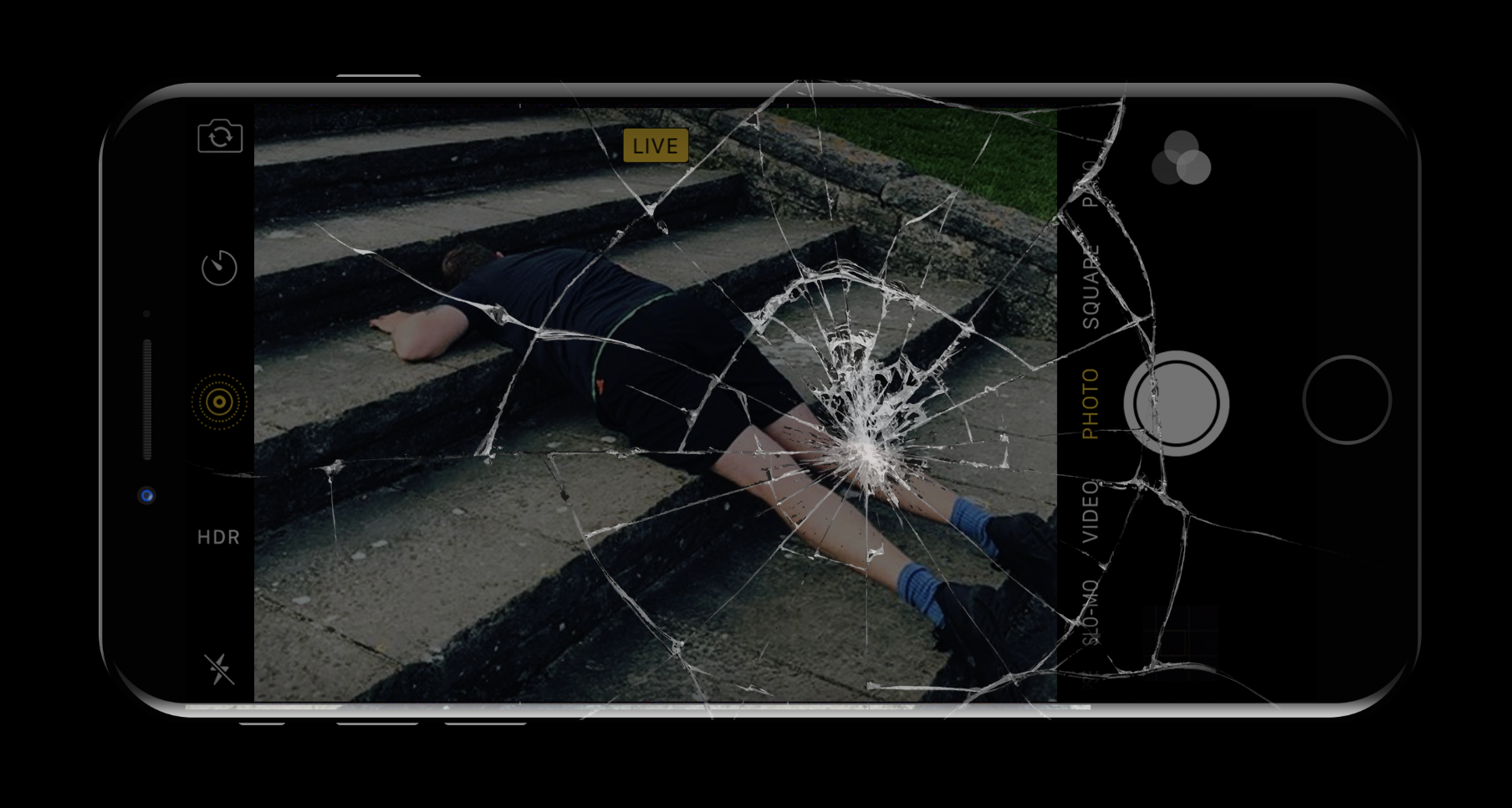
The advent of social media has us all questioning our relationship with technology — is the always-on perpetually-connected lifestyle evolving or devolving us? As a personal trainer, I think a lot about how fellow PTs train their clients through the lens of online self-promotion.
When sites like Twitter and Facebook really started gaining traction, I knew jumping into that world was inevitable, so the question wasn’t whether or not I’d join the movement. The question was, “what is the message I’ll be delivering?”
It’s pretty disheartening to see such a huge number of videos and Instagram stories featuring clients working out with little or no coaching. Many are even demonstrating incorrect techniques. When wildly popular personal trainers who are seen as all-knowing fitness gods to millions of followers share clips of improper workout techniques, people who try to mirror the routines might end up inflicting more harm on themselves than good.
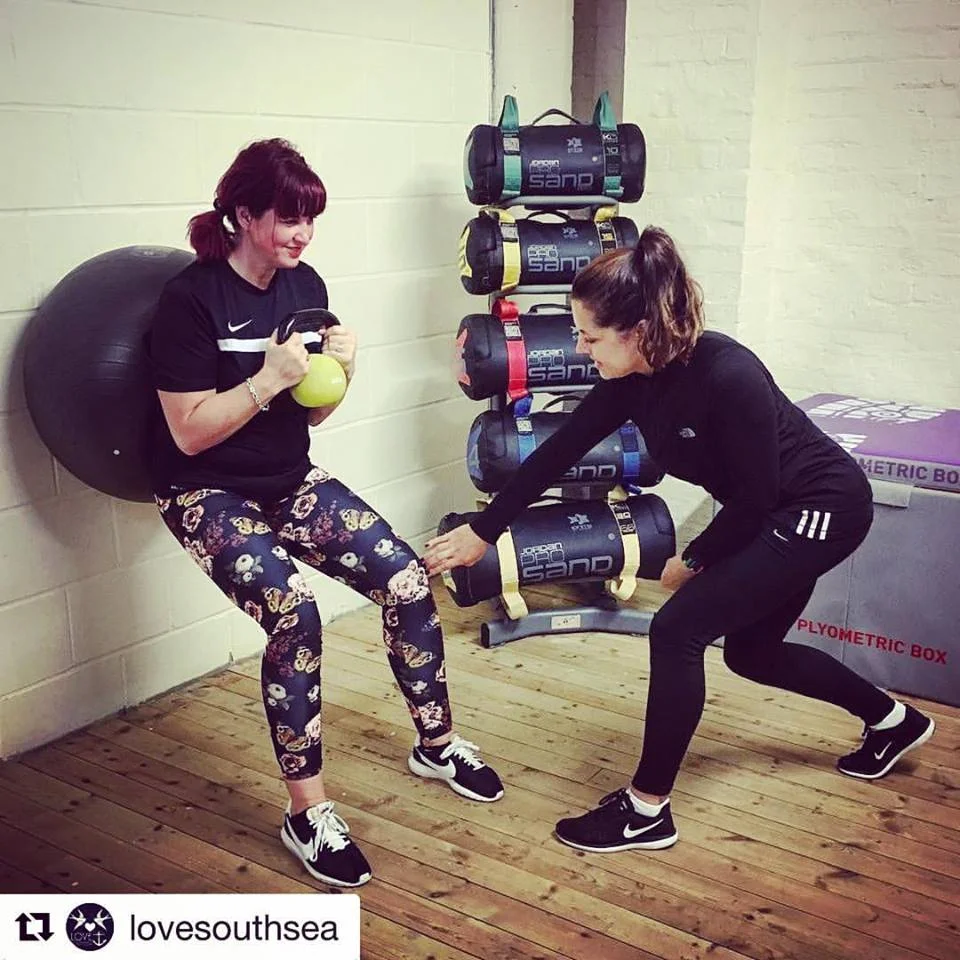
Fitness environments like gyms, studios, and outdoor workout spots are potentially very dangerous, so capturing every rep on camera might be great for business, but is it good for the client? It’s something worth stepping back and considering.
Don’t lose sight of the fact that, as personal trainers, our primary role is to support our clients. Focus on them first, and then think about how you can document workout sessions and classes for your followers.
Try not to allow your public-facing image to dictate the intimate workout plans you design for your clients, and definitely don’t up the intensity or push them way beyond their limits just to make things look good for the camera.
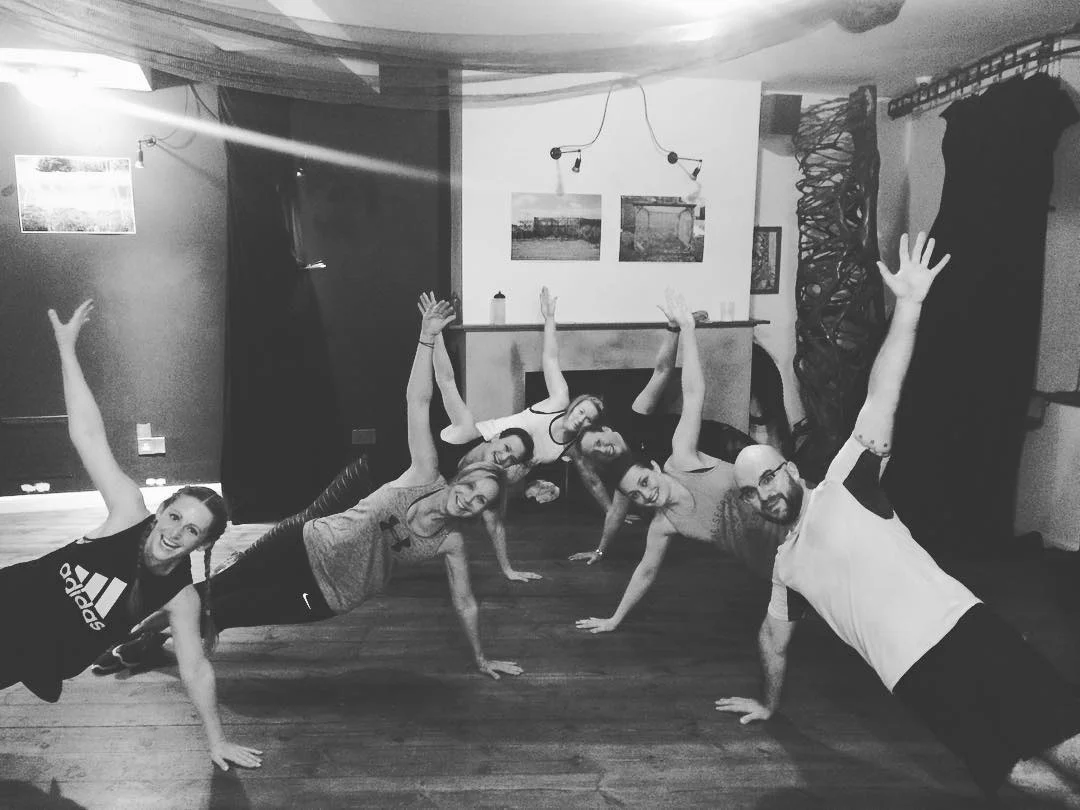
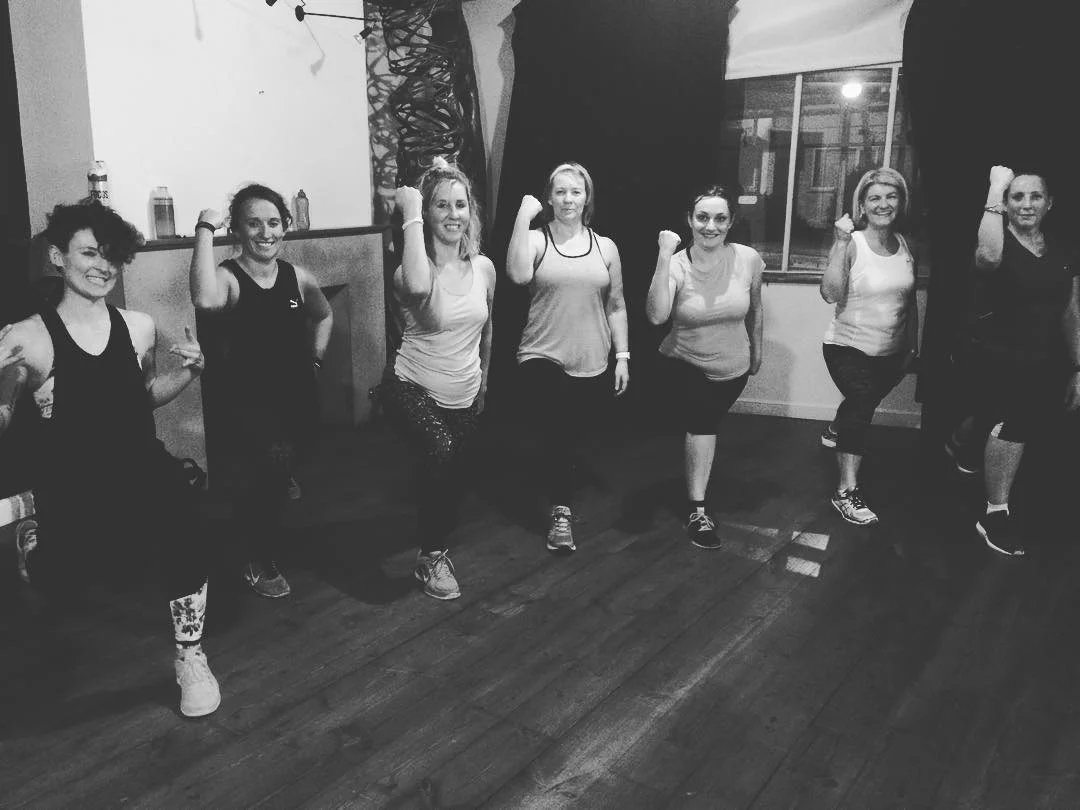
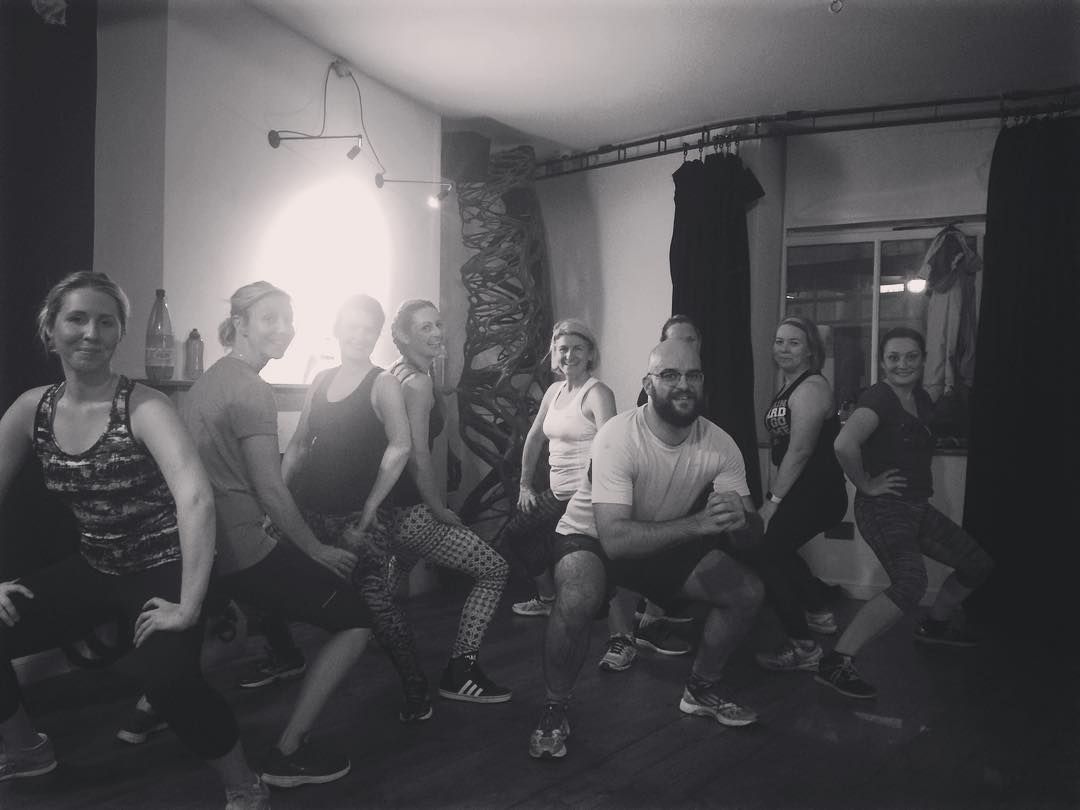
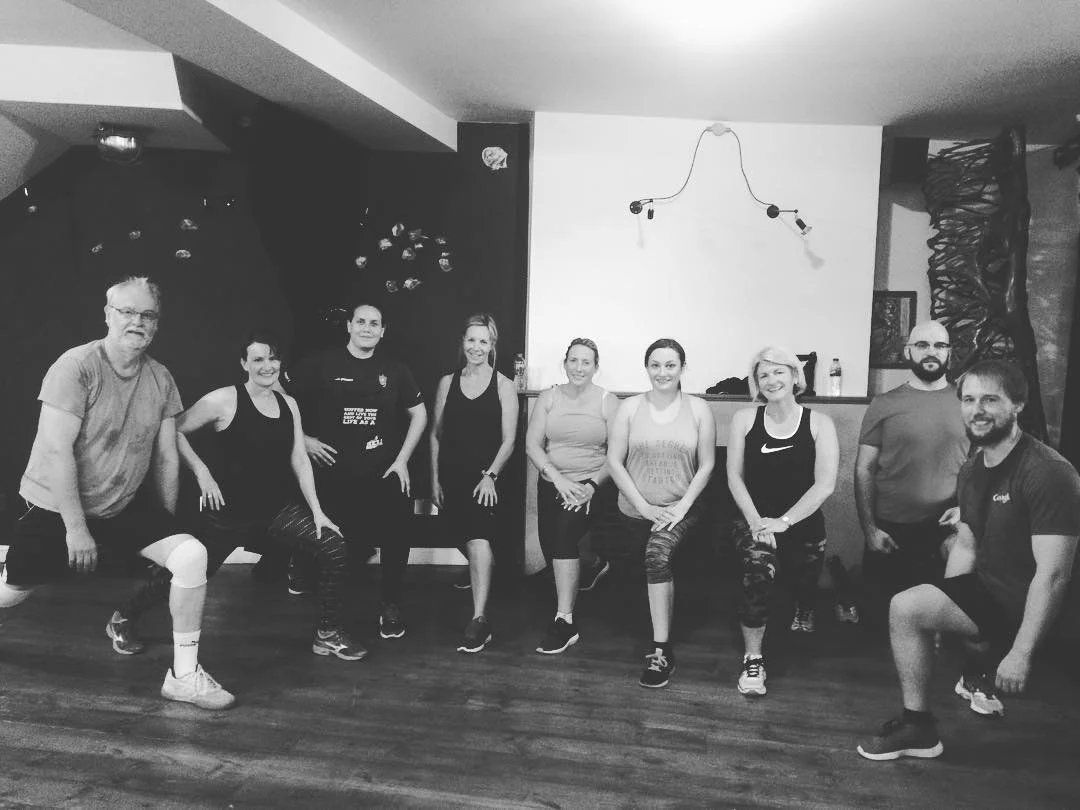
Horror stories of injuries caused by incorrect technique and OTT intensity never stop. I’m hugely passionate about stressing this to new potential personal trainers. Know the exercises inside-out. Know how your client feels, and show them how to move and contract muscles.
Break down techniques. Monitor clients closely and set goals, and inspire them to get excited about exercise responsibility. It all comes down to teaching self-motivation and remembering that exercise is the best psychological and physiological drug!
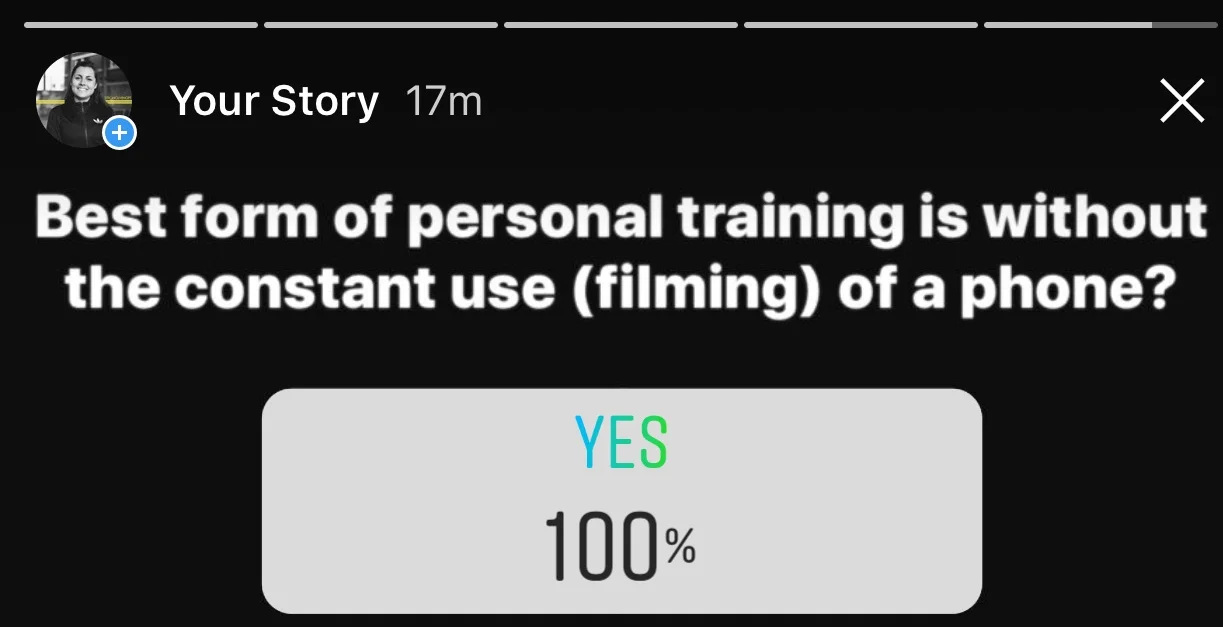
I didn’t write this to dictate how personal trainers should behave — it was just a reminder to be mindful. When I posted a poll on my Instagram Story asking 800+ people whether personal training was better without the constant presence and use of cameras/smartphones, 100% of voters said ‘Yes’. I was moved to write something on the matter.
It’s good practice to make roughly 25% of your content client-focused and 75% self-focused. Think of your Instagram feed as an extension of your personal training sessions, not just a reflection of them. Show your followers how they can work out safely by themselves. Give visual guidance on technique, diet, and other aspects of living a fit, healthy lifestyle.